Discover the Blue Pearl of Morocco
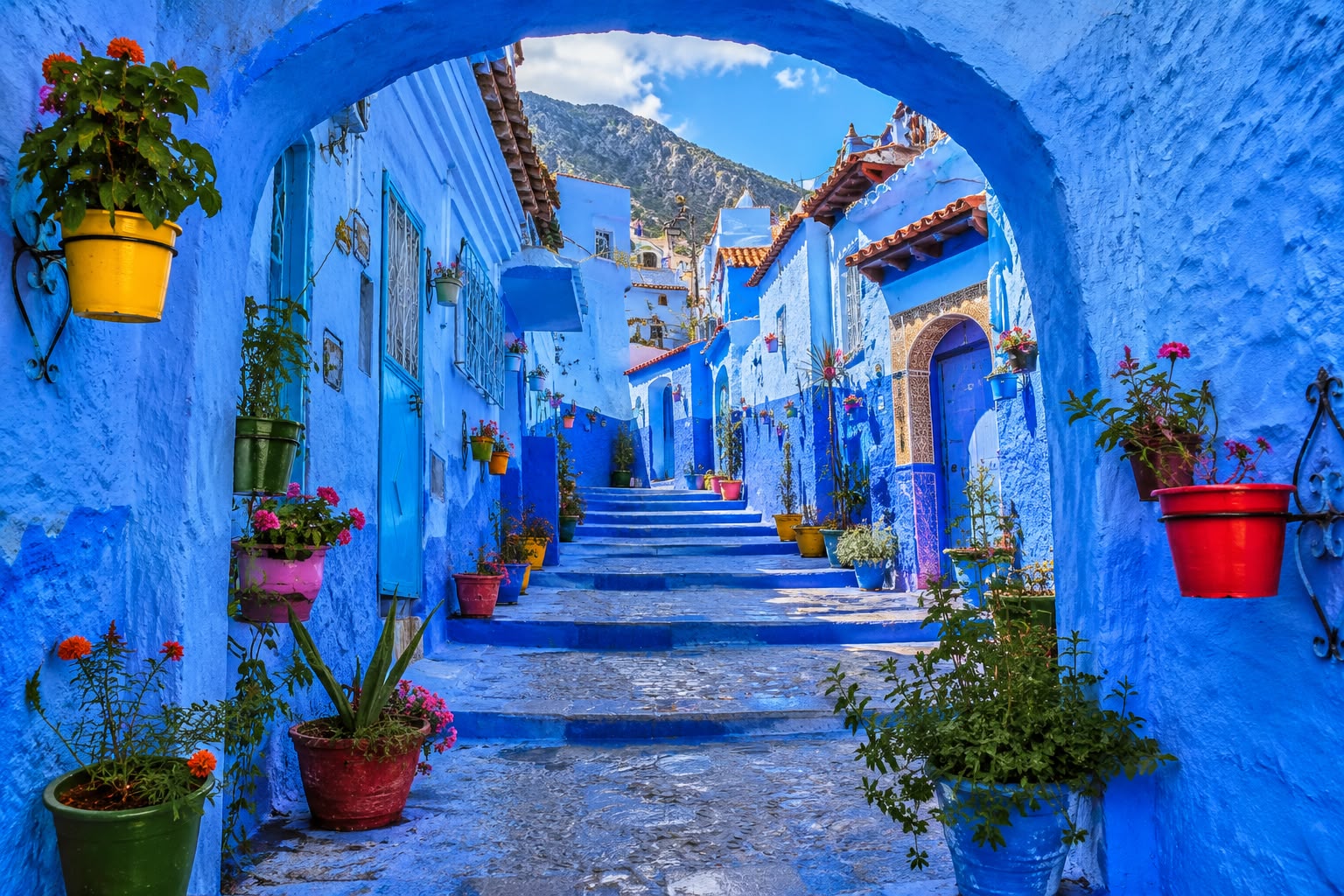
Welcome to the ultimate Chefchaouen Travel Guide, your complete resource for discovering one of Morocco’s most beautiful and memorable destinations. Hidden among the dramatic peaks of the Rif Mountains in northern Morocco, Chefchaouen is instantly recognizable for its blue-painted alleys, peaceful courtyards, flower-covered balconies, mountain views, and relaxed pace of life. Often called the Blue Pearl of Morocco, the town offers a completely different atmosphere from the energetic medinas of Marrakech and Fes.
Chefchaouen is not only a destination for photography. Behind its famous blue walls lies a fascinating history shaped by Andalusian, Amazigh, Arab, and Jewish influences. The compact Medina preserves traditional homes, local bakeries, artisan workshops, small mosques, family-run restaurants, and welcoming cafés where visitors can slow down and observe everyday life. The surrounding landscape adds another dimension to the experience, with hiking trails, rivers, waterfalls, forests, and panoramic viewpoints located within easy reach of the town.
Travelers visit Chefchaouen for many reasons. Some come to wander through the quiet streets at sunrise, when the Medina is almost empty and the soft morning light reflects beautifully across the blue walls. Others come to enjoy local food, shop for handmade textiles, relax in a traditional riad, explore the Kasbah, or hike toward the Spanish Mosque at sunset. Nature lovers often combine the town with an excursion to Akchour Waterfalls, God’s Bridge, or Talassemtane National Park.
Chefchaouen is also an excellent addition to a longer Morocco itinerary. It can be reached from Tangier, Tetouan, Fes, Rabat, or Casablanca and can be combined with the imperial cities, the Atlantic coast, the Atlas Mountains, or the Sahara Desert. Although some travelers visit for only a few hours, staying at least two nights allows you to experience the calm evening atmosphere after many day visitors leave.
This Chefchaouen Travel Guide covers the city’s history, the best attractions, local food, shopping, accommodation, transportation, weather, nearby excursions, suggested itineraries, photography advice, practical travel tips, and frequently asked questions. Whether you are planning a romantic escape, a family vacation, a cultural journey, or a private luxury tour of Morocco, this guide will help you prepare a rewarding and well-organized visit to the Blue Pearl.Travelers combining northern Morocco with the imperial cities can also explore our Marrakech Travel Guide.
Why Visit Chefchaouen?
Chefchaouen is unlike any other city in Morocco. Its blue Medina creates a dreamlike atmosphere, but the town’s true appeal goes far beyond its appearance. The surrounding mountains, friendly local culture, slower rhythm, traditional architecture, and easy access to nature make it one of the country’s most relaxing destinations.Chefchaouen can be included in a private northern Morocco itinerary or a longer journey through the imperial cities.
The Medina is compact and largely pedestrian, which makes it enjoyable to explore without a strict schedule. Visitors can walk through narrow alleys, discover hidden stairways, admire carved doors, and stop at rooftop cafés overlooking the Rif Mountains. Unlike the larger imperial cities, Chefchaouen rarely feels overwhelming. Its scale allows travelers to explore independently while still enjoying the benefits of a local guide when they want deeper historical and cultural explanations.
Photographers are especially drawn to Chefchaouen because the shades of blue change throughout the day. Early morning provides calm streets and gentle light, while late afternoon creates stronger contrasts between the blue walls and the warm tones of the surrounding mountains. Flowerpots, woven fabrics, colorful doors, and local markets add visual detail to almost every corner.
Chefchaouen is also a rewarding destination for travelers interested in authentic culture. Local artisans sell woven blankets, wool garments, leather products, hand-painted ceramics, soaps, spices, and products made with regional olive oil. Family-run restaurants serve northern Moroccan specialties, fresh goat cheese, tagines, soups, grilled meats, and traditional bread.
Nature is another major reason to visit. The town is located near rivers, forests, mountain trails, Akchour Waterfalls, God’s Bridge, and Talassemtane National Park. This combination of heritage and outdoor adventure makes Chefchaouen suitable for couples, families, solo travelers, hikers, photographers, and visitors seeking a peaceful break between Morocco’s busier destinations.You can also discover more destinations on the Moroccan National Tourist Office website.
This Chefchaouen Travel Guide will help you discover the city’s highlights, hidden gems, and practical travel tips for an unforgettable experience.
History of Chefchaouen
Chefchaouen was founded in 1471 by Moulay Ali Ben Rachid as a defensive settlement in the Rif Mountains. Its strategic location helped protect the region against Portuguese expansion along the northern coast of Morocco. The town later welcomed Muslim and Jewish families who had left Andalusia, bringing architectural styles, crafts, agricultural knowledge, music, and culinary traditions that shaped Chefchaouen’s identity.
The Andalusian influence remains visible in the Medina’s whitewashed homes, red-tiled roofs, interior courtyards, narrow streets, fountains, and decorative details. The Kasbah near Plaza Uta el Hammam reflects the town’s defensive origins, while the surrounding neighborhoods reveal how Chefchaouen developed around its religious, commercial, and residential spaces.
The origin of the blue-painted walls is the subject of several explanations. Some traditions connect the color with spiritual symbolism, the sky, and the divine. Others suggest that blue paint helped cool the buildings, repel insects, or distinguish particular neighborhoods. Whatever its original meaning, the practice became an essential part of the town’s visual identity and is maintained today by local residents.
For centuries, Chefchaouen remained relatively isolated because of its mountain setting. This isolation helped preserve local customs and architectural character. During the twentieth century, the town became increasingly accessible to visitors, yet it retained a more intimate atmosphere than Morocco’s larger urban centers. Today, Chefchaouen is internationally known while continuing to function as a living community with schools, markets, mosques, workshops, and family homes.
Best Things to Do in Chefchaouen
Wander Through the Blue Medina
Walking through the blue Medina is the essential Chefchaouen experience. The old town is a maze of stairways, narrow passages, small squares, arched entrances, and houses painted in shades ranging from pale sky blue to deep indigo. There is no single correct route. Part of the pleasure comes from wandering without a fixed plan and discovering quiet corners away from the main streets.
Begin early in the morning for the best photographs and the calmest atmosphere. Local residents will be opening shops, preparing bread, cleaning doorways, and beginning their daily routines. As the day continues, the central alleys become livelier with cafés, artisan stalls, small restaurants, and visitors.
Remember that the Medina is a residential neighborhood rather than an outdoor studio. Ask permission before photographing people or private doorways, avoid blocking narrow passages, and respect signs requesting privacy. A thoughtful approach creates a better experience for both visitors and residents.
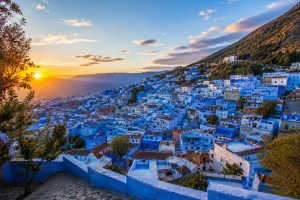
Visit Plaza Uta el Hammam
Plaza Uta el Hammam is the social and geographic center of Chefchaouen. The square is surrounded by cafés, restaurants, the Kasbah, and the Grand Mosque. It is an ideal place to rest after walking through the Medina, enjoy mint tea, try a local meal, or observe daily life.
During the day, the square feels relaxed and bright. In the evening, it becomes more animated as families, travelers, and local residents gather beneath the trees. Choose a terrace with a view of the Kasbah or the mountain slopes and allow time to enjoy the atmosphere rather than rushing through the square.
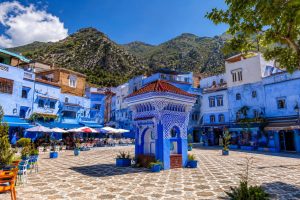
Explore the Kasbah Museum
Located beside Plaza Uta el Hammam, the Kasbah is one of Chefchaouen’s most important historical landmarks. Built as a defensive fortress, it contains thick walls, towers, gardens, and spaces used for cultural exhibitions. A visit provides context for the town’s history and development.
The interior garden offers a peaceful contrast to the busy square outside. Climbing the tower rewards visitors with elevated views over the blue rooftops, the Medina, and the surrounding mountains. The museum displays historical objects and information about regional traditions, although the panoramic views and architecture are often the highlights for visitors.
Ras El Maa Spring
Ras El Maa, meaning the head of the water, is located just beyond the eastern edge of the Medina. The natural spring has long played an important role in local life. Water flows from the mountain through channels beside shaded pathways, small bridges, and traditional structures.
The area is especially pleasant in the morning or late afternoon. Visitors can sit near the flowing water, watch local activity, and continue walking uphill toward the Spanish Mosque. Ras El Maa also provides a natural transition between the urban Medina and the surrounding mountain landscape.
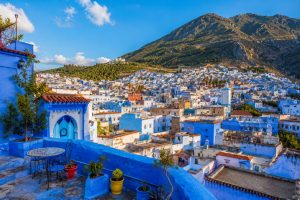
Hike to the Spanish Mosque
The Spanish Mosque stands on a hillside overlooking Chefchaouen and offers one of the best panoramic views of the town. The walk begins near Ras El Maa and usually takes around twenty to thirty minutes, depending on pace and stops.
Sunset is the most popular time to visit because the warm evening light illuminates the blue Medina and the Rif Mountains. Arrive early to choose a comfortable viewpoint, carry water, and wear shoes suitable for the uneven path. The mosque itself is generally appreciated from the outside, while the surrounding viewpoint is the main attraction.
Visit Akchour Waterfalls
Akchour is one of the most popular nature excursions from Chefchaouen. Located approximately forty-five minutes away by road, the area is known for river valleys, forested trails, clear pools, rock formations, and waterfalls. The scenery changes with the season and the amount of rainfall, so conditions may vary.
The hike can require several hours and includes rocky or uneven sections. Comfortable footwear, drinking water, sun protection, and an early departure are strongly recommended. Small cafés may operate along parts of the route, but travelers should not depend entirely on them, especially outside busy periods.
Travel with a local guide when conditions are uncertain or when you want assistance choosing the appropriate trail. Avoid entering fast-moving water, remain cautious near slippery rocks, and respect any local safety instructions. Akchour is most enjoyable when approached as a full-day nature experience rather than a rushed photo stop.For more information about hiking in the region, visit the Talassemtane National Park.
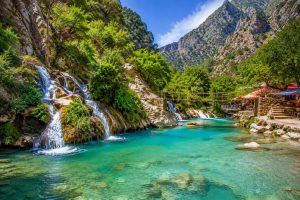
Discover God’s Bridge
God’s Bridge is a dramatic natural rock arch in the Akchour area. Formed over a deep river gorge, it is one of northern Morocco’s most impressive geological features. Reaching it requires hiking, and route conditions can change depending on weather and water levels.
The surrounding cliffs, vegetation, and river create excellent photography opportunities, but safety should remain the priority. Stay on established routes, avoid risky viewpoints, and consider hiring a knowledgeable local guide. Combining God’s Bridge with other Akchour attractions may require a long day, so plan according to your fitness level and available daylight.
Shopping In Chefchaouen
Shopping in Chefchaouen is a relaxed way to discover the crafts of northern Morocco. The Medina contains small workshops and stores selling woven blankets, striped fabrics, wool clothing, leather bags, traditional slippers, handmade soaps, ceramics, spices, jewelry, and decorative objects.
Chefchaouen is particularly known for colorful woven textiles inspired by Rif traditions. Look for blankets, shawls, table coverings, cushions, and garments produced in regional styles. Quality varies, so compare several shops and ask about the material and place of production.
Local olive oil, mountain honey, goat cheese, and natural soaps are also popular purchases. When buying food products for international travel, check packaging and customs restrictions. Bargaining is common in many shops, but it should remain friendly and respectful. Supporting genuine local workshops helps preserve traditional skills and contributes directly to the local economy.
Local Food to Try
Chefchaouen’s cuisine reflects the agricultural traditions of northern Morocco and the influence of the Rif Mountains. Meals are often simple, fresh, and flavorful, with olive oil, vegetables, herbs, bread, dairy products, and slow-cooked dishes playing important roles.
Try a traditional tagine prepared with chicken, lamb, beef, vegetables, or prunes. Couscous is commonly served on Fridays and during family gatherings. Bissara, a warm fava bean soup, is a comforting local breakfast or light meal, especially during cooler weather.
Fresh goat cheese is one of the region’s best-known products. It may be served with bread, olive oil, or local honey. Other dishes and products worth trying include pastilla, harira, grilled meats, homemade bread, olives, fresh orange juice, Moroccan mint tea, and seasonal mountain honey.
For the best experience, combine a meal in Plaza Uta el Hammam with at least one restaurant or guesthouse away from the busiest tourist streets. Ask about daily specials, as smaller kitchens may prepare limited dishes based on available ingredients.
Best Time to Visit
Chefchaouen can be visited throughout the year, but each season offers a different experience. Spring, from March to May, is one of the most attractive periods because temperatures are generally comfortable, the surrounding landscape is green, and mountain flowers may be in bloom. It is an excellent season for walking and hiking.
Summer, from June to August, brings warmer weather and larger visitor numbers. The Medina can be busy during the middle of the day, so plan outdoor exploration in the morning and late afternoon. Accommodation should be booked in advance during popular travel periods.
Autumn, from September to November, offers pleasant temperatures, softer light, and good hiking conditions. It is another excellent time for photography and day trips. December can be cooler and wetter than early autumn, so it should not be grouped automatically with the entire autumn season.
Winter, from December to February, is quieter and can be atmospheric, but rain, cold evenings, and occasional mountain weather should be expected. Bring layers and choose accommodation with reliable heating. The best overall periods for most visitors are spring and early autumn.
According to this Chefchaouen Travel Guide, spring and autumn offer the best weather for exploring the Blue Pearl of Morocco.
Where to Stay in Chefchaouen
Staying inside the Medina provides the most atmospheric experience. Traditional guesthouses and riads offer rooftop terraces, interior courtyards, decorative tiles, local breakfasts, and direct access to the blue streets. This option is ideal for couples, photographers, and travelers who want to explore on foot.
Accommodation near the edge of the Medina can be more convenient for luggage, vehicle access, and day trips. Hotels outside the historic center may offer larger rooms, parking, swimming pools, or wider mountain views. Families and travelers with mobility concerns should ask about stairs, access, and the distance from the nearest vehicle drop-off point before booking.
For a romantic or premium stay, choose a boutique riad with a panoramic terrace, personalized service, and rooms facing the mountains or Medina. Regardless of category, read recent reviews carefully and confirm heating or air-conditioning according to the season.
How to Get to Chefchaouen
Chefchaouen is easily accessible from:
- Tangier (approximately 2 hours)
- Tetouan (1 hour)
- Fes (about 4 hours)
- Rabat (5 hours)
- Casablanca (6 hours)
Chefchaouen does not have its own airport or railway station, so most visitors arrive by road. Tangier is one of the most convenient gateways, with a journey of approximately two to two and a half hours depending on traffic and road conditions. Tetouan is closer, usually around one to one and a half hours away.
The trip from Fes generally takes around four hours, while travel from Rabat or Casablanca requires a longer day. Public buses connect Chefchaouen with several major cities, but schedules and travel times should be checked in advance. Shared taxis are another option, although comfort and luggage space can vary.A private driver offers the greatest flexibility, particularly for families, small groups, or travelers combining Chefchaouen with several destinations. It allows for hotel pickup, scenic stops, luggage assistance, and a schedule adapted to your itinerary.This Chefchaouen Travel Guide recommends traveling by private transfer for the most comfortable journey.
Many travelers include Chefchaouen in a northern Morocco road trip or a multi-day private tour.
Suggested Chefchaouen Itineraries
One Day in Chefchaouen
Begin early in the blue Medina before the main crowds arrive. Walk through the quiet alleys, visit Plaza Uta el Hammam, explore the Kasbah, and continue to Ras El Maa. Enjoy lunch at a traditional restaurant, shop for local crafts in the afternoon, and hike toward the Spanish Mosque before sunset.
A one-day visit provides an introduction, but it will feel rushed if you are arriving from a distant city on the same day. Staying overnight creates a much more relaxed experience.
Two Days in Chefchaouen
On the first day, explore the Medina, Kasbah, Plaza Uta el Hammam, Ras El Maa, local shops, and the Spanish Mosque. Use the evening to enjoy dinner and walk through the quieter streets after day visitors leave.
On the second day, choose a nature excursion to Akchour Waterfalls or God’s Bridge. Return to Chefchaouen for a final meal or rooftop sunset. This is the ideal minimum itinerary for most first-time visitors.
Three Days in Chefchaouen
A three-day stay allows you to experience the town without rushing. Follow the two-day plan, then use the third day for a slower cultural experience, additional hiking, a photography walk at sunrise, a cooking class, or an excursion toward Tetouan, Oued Laou, or Talassemtane National Park.
This itinerary is especially suitable for couples, photographers, and travelers who appreciate a relaxed pace.
Day Trips From Chefchaouen
Akchour is the most popular excursion, but the region offers several other possibilities. Talassemtane National Park protects mountain landscapes, forests, cliffs, and hiking routes. Conditions and access may vary, so local advice is valuable.
Tetouan offers a different urban experience with Andalusian heritage, museums, markets, and a historic Medina. Oued Laou provides access to the Mediterranean coast and can be combined with scenic driving through northern Morocco.
Private excursions allow visitors to adapt the schedule, stop at viewpoints, and combine cultural and natural attractions. Travel times should always be confirmed according to road conditions and the season.
Travel Tips
Wear comfortable shoes because the Medina includes steep streets, stairs, and uneven surfaces. Carry a small amount of cash for local shops, cafés, and taxis, while keeping valuables secure.
Start photography walks early in the morning. Respect private homes and ask permission before photographing residents. Dress respectfully, especially near religious spaces and in residential neighborhoods.
Book at least two nights when possible. Confirm transportation in advance, particularly during weekends and holidays. Bring layers because mountain temperatures can change quickly. For Akchour, carry water, sun protection, and appropriate footwear.
Use licensed guides and reputable transportation providers. Travel insurance is recommended for hiking and outdoor activities. Keep the Medina clean, avoid single-use waste when possible, and support local businesses that produce goods in the region.
For more practical advice before your trip, read our complete Morocco Travel Tips guide.
Why Visit Chefchaouen with Morocco Shade Explore
At Morocco Shade Explore, we create private and tailor-made journeys designed around each traveler’s interests, schedule, comfort level, and budget. Our local knowledge allows us to connect Chefchaouen with Morocco’s imperial cities, Atlantic coast, Atlas Mountains, desert landscapes, and cultural experiences in a logical and enjoyable itinerary.
We can arrange professional drivers, comfortable transportation, carefully selected riads and hotels, local guides, airport transfers, day trips, and personalized assistance throughout the journey. Our goal is to provide more than transportation between attractions. We want travelers to understand the places they visit, meet local communities respectfully, and experience Morocco with confidence.Discover our private Morocco tours and find the itinerary that best matches your travel plans.
Whether you are planning a honeymoon, family holiday, luxury private tour, photography journey, or cultural adventure, our team can design a route that includes Chefchaouen at the right pace. Contact Morocco Shade Explore to begin planning a personalized Morocco itinerary.
Frequently Asked Questions:
How many days should I spend in Chefchaouen?
Two days are ideal for most first-time visitors. This allows one day for the Medina and one day for Akchour or another nearby excursion. Three days are better for a relaxed visit.
Is Chefchaouen safe?
Chefchaouen is generally considered welcoming and comfortable for visitors. Normal travel precautions still apply: secure valuables, use reputable transportation, and remain aware of your surroundings.
Can I visit Chefchaouen on a day trip?
Yes, especially from Tangier or Tetouan. A day trip from Fes is possible but long. Staying overnight provides a much better experience because you can enjoy the quiet morning and evening atmosphere.
What is Chefchaouen famous for?
Chefchaouen is famous for its blue-painted Medina, mountain scenery, Andalusian heritage, artisan products, relaxed atmosphere, and nearby attractions such as Akchour Waterfalls and God’s Bridge.
Is Chefchaouen worth visiting?
Yes. It offers a distinctive combination of architecture, culture, photography, food, shopping, and nature that differs from Morocco’s larger cities.
What is the best month to visit Chefchaouen?
April, May, September, and October are often excellent because temperatures are comfortable and outdoor activities are easier. Weather can vary, so check conditions before travel.
Can I travel from Tangier to Chefchaouen?
Yes. Tangier is one of the most convenient starting points, with road travel usually taking around two to two and a half hours.
Can I travel from Fes to Chefchaouen?
Yes. The journey generally takes around four hours by road, making Chefchaouen a popular addition to a northern Morocco itinerary.
Is Chefchaouen expensive?
Chefchaouen offers options for different budgets. Accommodation and restaurant prices vary by season and location, while local cafés and small guesthouses can remain affordable.
What should I wear in Chefchaouen?
Wear comfortable clothing and walking shoes. Modest dress is appreciated in residential and religious areas. Bring layers because evenings can be cool in the mountains.
Can families visit Chefchaouen?
Yes. Families can enjoy the Medina, Kasbah, viewpoints, food, and nature excursions. Parents should supervise children on steep streets and during hikes.
Is Chefchaouen suitable for solo travelers?
Yes. Its compact Medina and relaxed atmosphere make it appealing to solo travelers. Standard precautions and reputable transport arrangements are still recommended.
Do I need a guide in Chefchaouen?
A guide is not required for walking through the Medina, but a licensed local guide can provide historical context, introduce artisan workshops, and improve nature excursions.
Can I visit Akchour without a guide?
Some travelers hike independently, but a guide is recommended when conditions are uncertain, for first-time visitors, or when combining several routes.
Where is the best sunset view?
The Spanish Mosque viewpoint is the most popular place to watch sunset over the blue Medina and the Rif Mountains.
Why should i use this Chefchaouen Travel guide?
This Chefchaouen Travel Guide provides practical information about attractions, accommodations, local culture, transportation, and travel tips to help you plan your visit.
Is this Chefchaouen Travel Guide suitable for first-time visitors?
Yes. This Chefchaouen Travel Guide covers everything first-time visitors need to know before traveling to Chefchaouen.
Continue Exploring Morocco
Continue your adventure with our complete collection of Morocco Travel Guides.
- Marrakech Travel Guide
- Rabat Travel Guide
- Casablanca Travel Guide
- Tangier Travel Guide
- Essaouira Travel Guide
- Aït Ben Haddou Travel Guide
- Valley of Roses Travel Guide
- Merzouga & Erg Chebbi Travel Guide
- Chefchaouen Travel Guide
- Fes Travel Guide
- Ouarzazate Travel Guide
- Dades Valley Travel Guide
- Todra Gorge Travel Guide
- Meknes & Volubilis Travel Guide
- Agadir Travel Guide
- Tafraoute Travel Guide
- Taroudant Travel Guide
- Zagora Travel Guide
Together, these guides will help you discover Morocco’s incredible diversity—from Imperial Cities and Roman ruins to the Atlantic coastline, the High Atlas Mountains, and the majestic Sahara Desert.
Conclusion
Chefchaouen is one of Morocco’s most distinctive destinations. Its blue streets create an unforgettable first impression, but the town’s lasting appeal comes from its history, mountain setting, local traditions, cuisine, craftsmanship, and peaceful rhythm. A well-planned visit can combine cultural discovery, photography, relaxation, shopping, and outdoor adventure.
Spend enough time to experience the Medina beyond the busiest hours. Walk through the streets early in the morning, visit the Kasbah, enjoy local food, watch sunset from the Spanish Mosque, and dedicate a day to the surrounding nature when possible. Respectful travel and support for local businesses help preserve the character that makes the Blue Pearl so special.
We hope this Chefchaouen Travel Guide helps you plan an unforgettable journey. Morocco Shade Explore can create a private itinerary connecting Chefchaouen with Fes, Tangier, the imperial cities, the Atlas Mountains, the Sahara Desert, and Morocco’s Atlantic coast. Your personalized Moroccan adventure can begin with a simple conversation with our local travel team.
This Chefchaouen Travel Guide is designed to help every traveler experience the very best of Morocco’s Blue Pearl.
Start Planning Your Morocco Adventure Today
Ready to discover the timeless beauty of Chefchaouen ?
Whether you’re planning a cultural getaway, a historical tour, or a complete journey across Morocco, Shade Explore is here to create an unforgettable travel experience tailored to your interests.
Contact our travel specialists today to start planning your personalized Morocco itinerary and discover why travelers from around the world choose Morocco Shade Explore for exceptional private tours, authentic experiences, and premium service.