Best Time to Visit Morocco: Weather, Regions & Ideal Travel Routes
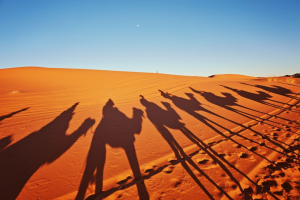
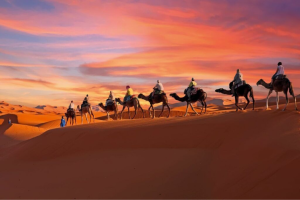
Each season in Morocco reveals a different side of the country — from the golden dunes of the Sahara to the snow-covered peaks of the Atlas Mountains and the lively streets of Marrakech.
If you’re wondering about the best time to visit Morocco, this complete guide will help you understand regional climates, monthly weather patterns, seasonal activities, and the ideal periods to plan your itinerary.
Whether you’re organizing a desert expedition, a cultural discovery tour, or a relaxing coastal getaway, selecting the right season can significantly enhance your overall experience.
Plan your Morocco journey at the perfect time for your adventure.
Overview: Morocco’s Climate and Regional Differences
Morocco’s weather varies greatly depending on location. Understanding regional climate zones is essential when planning your trip.
Coastal Areas (Essaouira, Agadir, Casablanca)
Cities like Essaouira, Agadir, and Casablanca enjoy mild temperatures throughout the year, moderated by refreshing Atlantic Ocean breezes. These destinations are ideal during summer when inland cities become very hot.
Imperial Cities (Marrakech, Fes, Meknes)
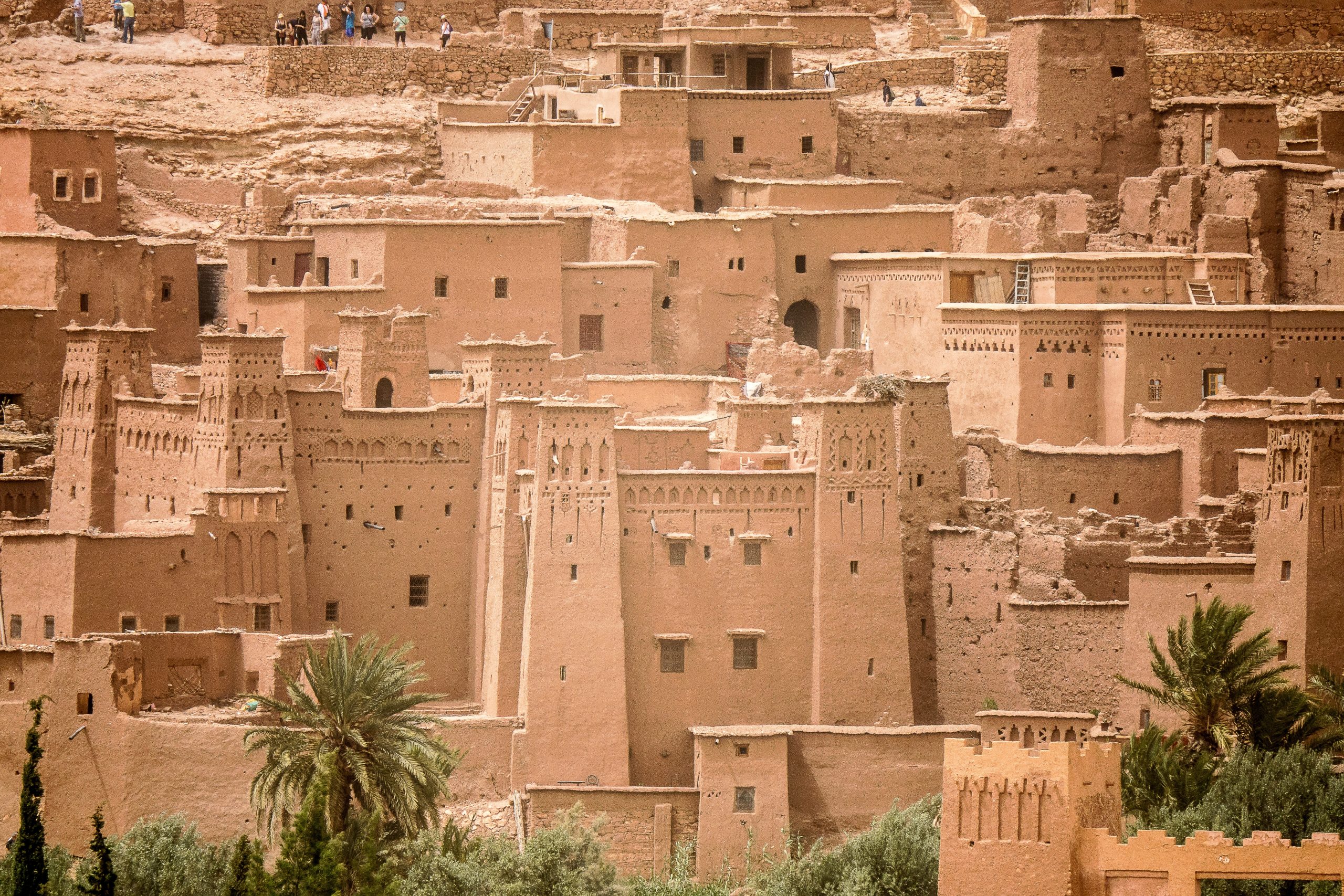
Historic cities such as Fes and Meknes experience warm and pleasant spring and autumn seasons, very hot summers, and relatively mild winters. These cities are best visited during moderate months.
Atlas Mountains (High & Middle Atlas)
The Atlas Mountains offer cold winters with snow at higher elevations and cool summers. Spring and autumn are perfect for trekking, hiking, and exploring mountain villages.
Sahara Desert (Merzouga, M’Hamid, Zagora)
Desert destinations such as Merzouga and Zagora experience very hot days and cold nights. Spring and autumn provide the most comfortable conditions for desert excursions.
Month-by-Month Weather Guide for Morocco
Here’s a detailed monthly breakdown to help you determine the best time to visit Morocco based on climate, crowd levels, and activities.
January
- Cool temperatures (8°C–18°C)
- Snowfall in the Atlas Mountains
- Ideal for desert trips without extreme heat
February
- Slightly warmer than January
- Excellent for city exploration and photography
- Fewer tourists compared to peak seasons
March
- Beginning of spring
- Perfect for visiting Marrakech, Fes, and Chefchaouen
- Blooming landscapes and pleasant weather
April
- Peak spring beauty
- Best period for trekking in the Atlas Mountains
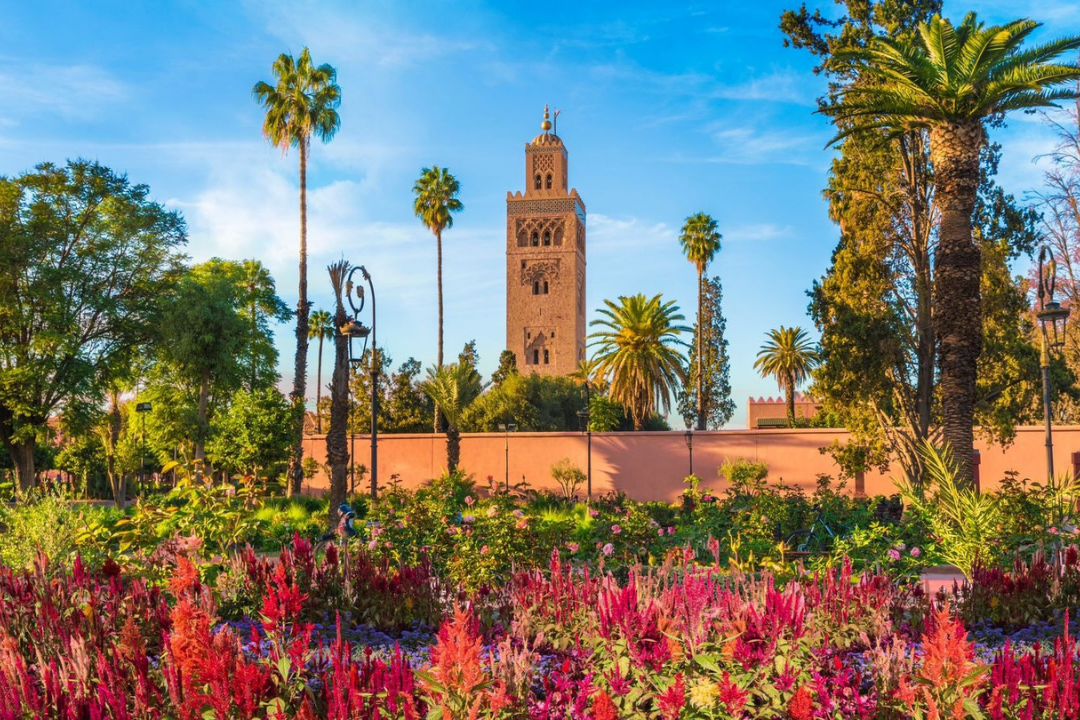
- Popular month for visiting Marrakech
May
- Warm but comfortable temperatures
- Excellent beach and desert conditions
- Considered one of the best months to visit Morocco
June
- Increasing heat, especially inland
- Ideal for coastal escapes and mountain travel
July & August
- Very hot temperatures in inland cities
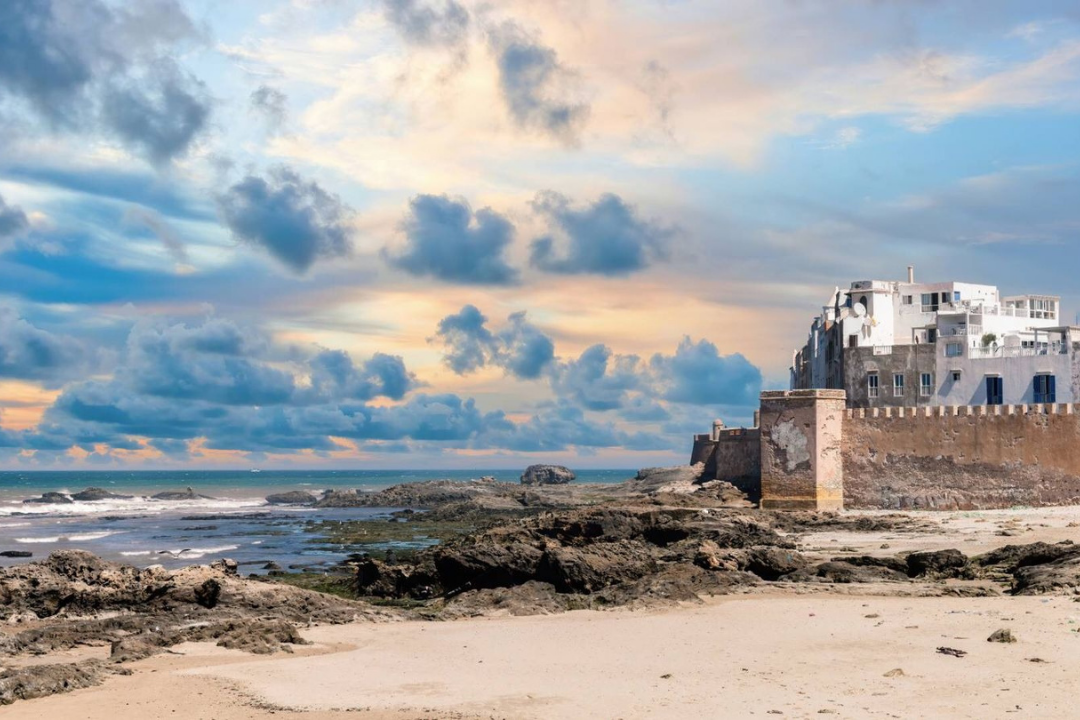
- Best suited for coastal destinations like Essaouira and Agadir
- Numerous festivals and cultural events take place nationwide
September
- Cooler evenings
- Perfect timing for Sahara desert tours
- One of the best months for desert travel
October
- Pleasant temperatures throughout the country
- Suitable for all types of activities
- Highly recommended for first-time visitors
November
- Comfortable autumn climate
- Excellent for Marrakech and desert routes
- Fewer crowds compared to peak spring
December
- Crisp winter atmosphere
- Popular during the holiday season
- Warm desert days but cold nights
Festivals & Cultural Events
Morocco hosts numerous cultural celebrations throughout the year. In Marrakech, highlights include:
- The Marrakech International Film Festival
- Summer performances in Jemaa el-Fna
- Cultural nightlife events and artistic gatherings
Summer and autumn are particularly vibrant seasons for festivals across the country.

Practical Seasonal Travel Tips
Packing & Clothing Recommendations
- Wear light layers during spring and autumn
- Choose breathable cotton fabrics for summer
- Bring warm jackets for winter evenings, especially in desert and mountain regions
- Pack comfortable walking shoes for medinas and trekking routes
Health & Safety Considerations
- Stay hydrated during hot months
- Protect yourself from strong sunlight, particularly in the desert and Marrakech
- If trekking in high altitudes, prepare for elevation changes
- Avoid drinking tap water; opt for bottled water
Transportation & Accessibility
- Domestic flights connect major cities efficiently
- Road infrastructure is good, though mountain passes may require extra travel time
- Private drivers are recommended for desert and remote routes
- The train network covers most northern and central cities
Planning transportation in advance improves comfort and efficiency.
Travel with Confidence: Shade Explore
Shade Explore is a licensed Moroccan travel agency trusted by international travelers. With certified guides, comfortable vehicles, and carefully designed itineraries, the agency ensures authentic and secure travel experiences — whether exploring the Sahara, discovering Marrakech, or crossing the Atlas Mountains.
Travel with peace of mind, supported by a team that understands Morocco’s climate, culture, and seasonal variations.
FAQ – Best Time to Visit Morocco
Q1: Which months are best for visiting Morocco?
April, May, September, and October are widely considered the most comfortable months.
Q2: When is the Sahara Desert most pleasant?
From March to May and September to November.
Q3: Are summer months suitable for Marrakech?
Yes, though temperatures can be high. Evenings remain lively and enjoyable.
Q4: How can I avoid peak tourist crowds?
Travel between late January and mid-March, or in early December.
Q5: When are festivals and cultural events most frequent?
Summer and autumn host the majority of national and regional festivals.
Discover Morocco at the perfect time
Book your Morocco journey with Shade Explore and experience the country’s diverse climates, regions, and unforgettable landscapes.